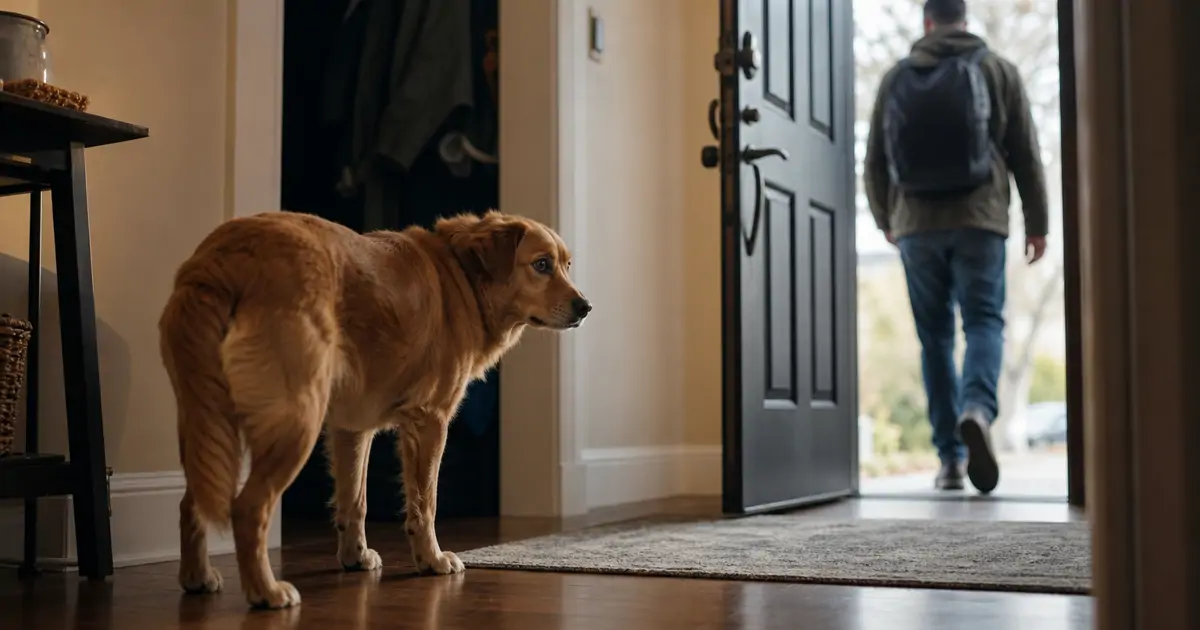
Dog Separation Anxiety Training Complete Guide
Coming home to a chewed doorframe, a soaked carpet, or a note from the neighbors about barking is how many dog owners first learn something is wrong. Separation anxiety is one of the most common behavioral struggles reported by pet parents, and it can range from mild whining to full-blown panic that puts a dog's safety at risk. This guide exists to help you understand the whole picture before diving into any single fix.
Dog separation anxiety training is not a single technique but a collection of related strategies, each suited to a different stage of the problem. Some readers are just starting to notice odd behavior and want to confirm what they're seeing. Others already know their dog struggles when left alone and need a structured plan. Still others are dealing with a severe case that hasn't responded to basic advice.
Below, you'll find an overview of how this topic breaks down, followed by short introductions to each major area covered on this site. Read through the overview first, then jump to whichever section matches where you currently stand with your dog.
Topic Overview
Separation anxiety in dogs generally falls into a few broad categories: recognizing it, treating it, preventing it, and managing the specific problems it causes, like accidents indoors or destructive chewing. Most owners start in one of two places. Either they suspect something is off and want confirmation, or they've already confirmed the issue and need a workable training for separation anxiety dogs approach that fits their schedule and their dog's temperament.
A common challenge is figuring out how serious the issue actually is. Mild restlessness before a workday and a dog that injures itself trying to escape a crate are both labeled 'separation anxiety,' yet they call for very different responses. Another frequent concern is timing — many owners wonder whether they should tackle this before adopting a puppy, after noticing early symptoms, or only once damage has already occurred. Separation anxiety training in dogs works best when it matches the dog's current stage, which is exactly why this topic is organized into distinct sub-pillars rather than one long article.
Signs of Separation Anxiety in Dogs
Before any training plan makes sense, it helps to know what you're actually dealing with. This section-level topic walks through the behaviors that typically point to anxiety rather than boredom or poor manners, including specific vocalizations, body language, and timing patterns. If you're unsure whether your dog's behavior qualifies, start with signs of separation anxiety in dogs to get a clearer picture before moving forward.
Separation Anxiety in Dogs Treatment
Once the behavior has been identified, the next question is almost always: what do I do about it? This sub-pillar covers the broader treatment landscape, including when professional support might be warranted and how various approaches differ in intensity. Readers looking for a starting framework rather than a single trick will find separation anxiety in dogs treatment useful as a next step.
Desensitization Training for Dog Separation Anxiety
Desensitization is one of the more evidence-informed approaches used in modern behavior work, and it deserves its own dedicated explanation. This article breaks down how gradual exposure to being alone can reduce panic responses over time. For dog owners ready to commit to a slower, methodical process, desensitization dog separation anxiety offers a detailed walkthrough of how that looks in practice.
Curing Dog Separation Anxiety Quickly
Many owners understandably want faster results, especially if a dog's anxiety is affecting sleep, work schedules, or relationships with neighbors. This sub-pillar addresses realistic expectations around speed and outlines which situations can improve relatively fast versus which ones require patience. Anyone hoping for curing dog separation anxiety quickly should read this with the understanding that speed depends heavily on severity.
Preventing Separation Anxiety in Dogs
Prevention is often overlooked because most people search for help only after a problem appears. This article is aimed at new puppy owners and anyone bringing home a rescue dog who wants to build healthy alone-time habits from day one. Reading about preventing separation anxiety in dogs early can save considerable frustration later.
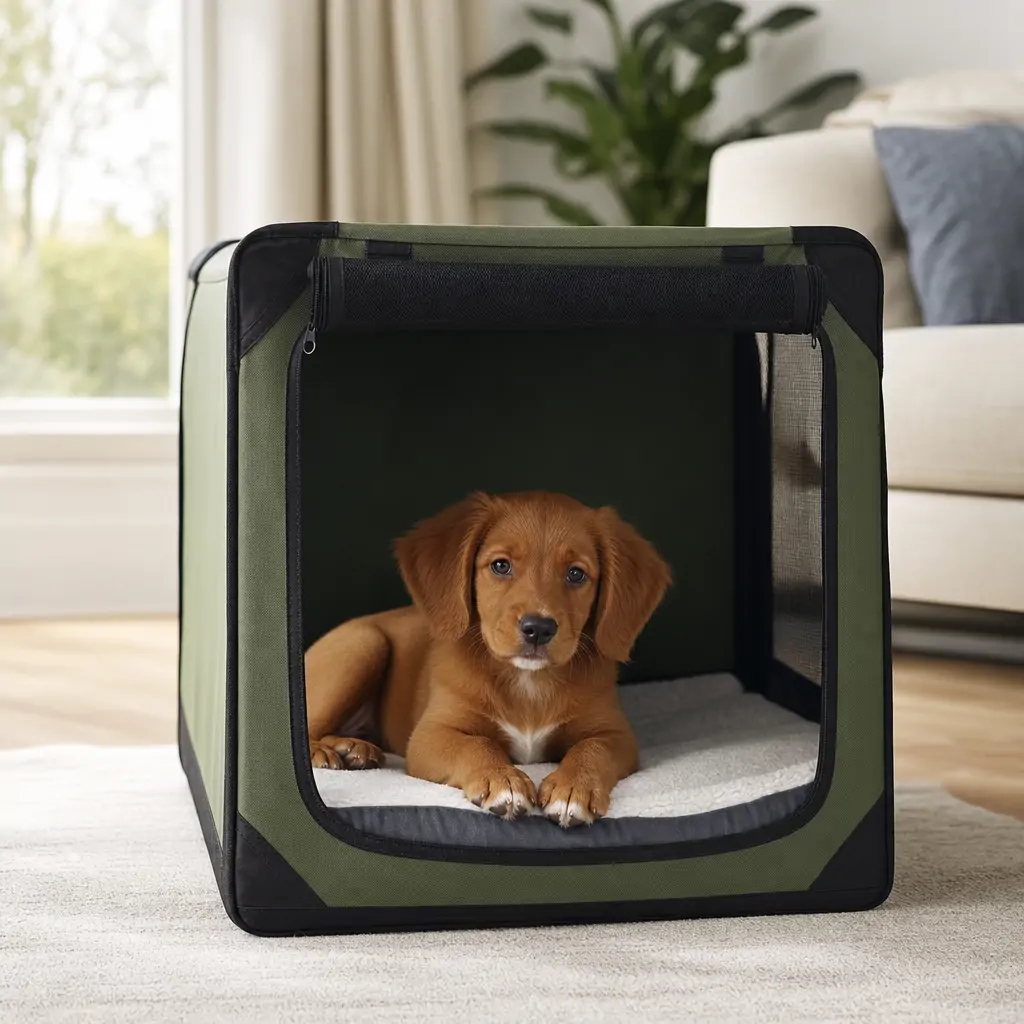
Dog Peeing in House From Separation Anxiety
Indoor accidents are one of the more distressing symptoms owners deal with, partly because it's easy to confuse anxiety-driven elimination with a housetraining lapse or a medical issue. This section explains how to distinguish between the two and what typically drives the anxiety-related version. If your dog is dealing with dog peeing in house when left alone, this sub-pillar clarifies what's actually happening before you consider next steps, and any accompanying physical symptoms should still be evaluated by a qualified professional to rule out medical causes.
Home Alone Dog Training
Not every dog left alone has diagnosable anxiety, but nearly every dog benefits from being taught how to handle solitude calmly. This topic focuses on building independence and confidence, whether or not anxiety is currently present. Owners preparing for a return to the office or a change in routine often turn to home alone dog training as a practical, everyday resource.
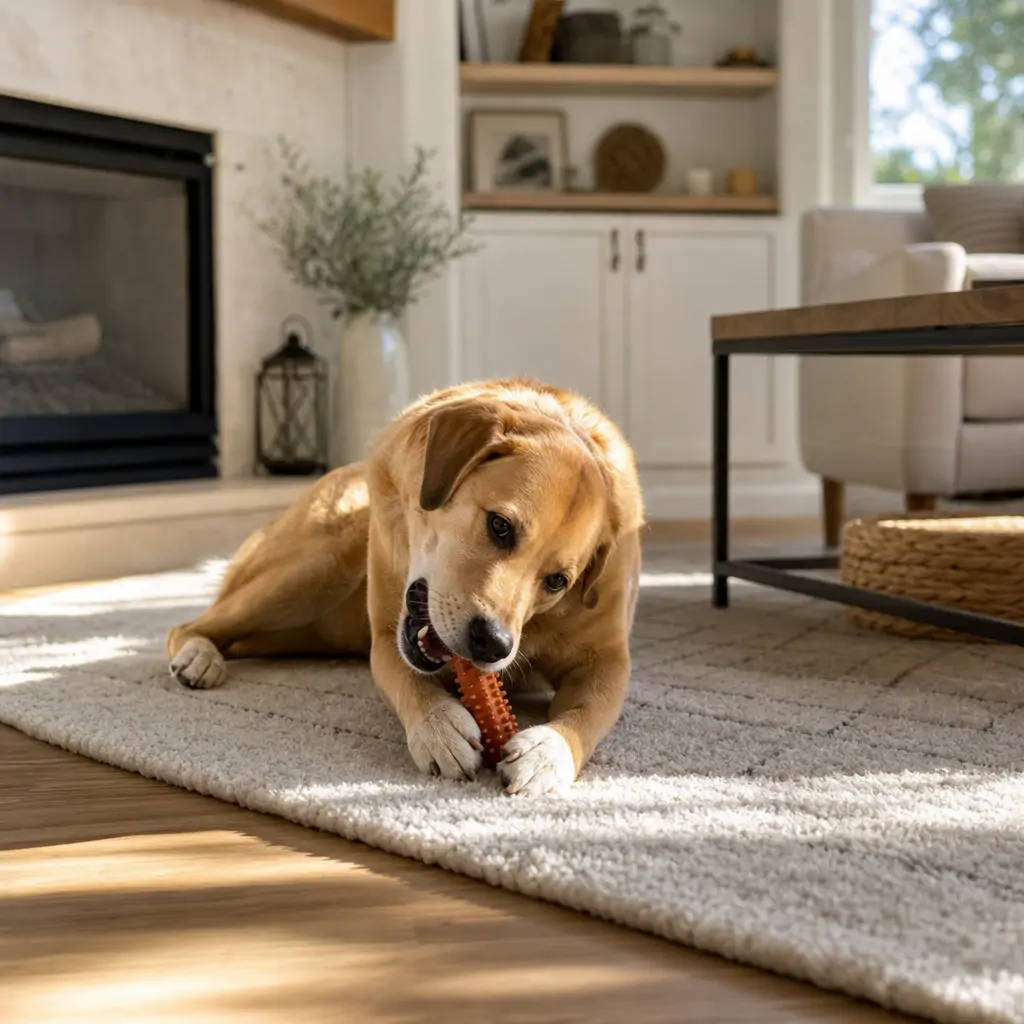
Severe Separation Anxiety in Dogs
Some dogs experience panic so intense that it involves self-injury, property destruction, or nonstop vocalization that basic techniques can't touch. This sub-pillar is written specifically for those harder cases, describing what sets severe presentations apart and when more intensive support becomes necessary. If milder methods haven't worked, severe separation anxiety in dogs explains what a more serious situation typically looks like.
Separation Anxiety Training Schedule
Consistency tends to matter more than intensity when it comes to behavior change, and many owners struggle simply because they don't have a structured plan to follow. This article lays out how a week-by-week or day-by-day approach might be organized. Readers who feel overwhelmed by conflicting advice often find that a separation anxiety training schedule brings much-needed clarity and structure.
Behavior Modification for Dog Separation Anxiety
Beyond desensitization alone, there's a wider category of behavior modification techniques, including counter-conditioning and environmental adjustments, that work together to shift a dog's emotional response to being alone. This sub-pillar ties several methods together into a broader behavioral framework. Anyone wanting a fuller picture beyond a single technique should explore behavior modification for separation anxiety in dogs as a more comprehensive resource.
Cluster Relationship Section
These topics aren't meant to be read in isolation. A logical starting point for most readers is identifying the signs, since that determines whether the issue is mild, moderate, or severe — and severity shapes everything that follows. From there, treatment and desensitization articles work hand in hand, since desensitization is essentially one method within the broader treatment umbrella.
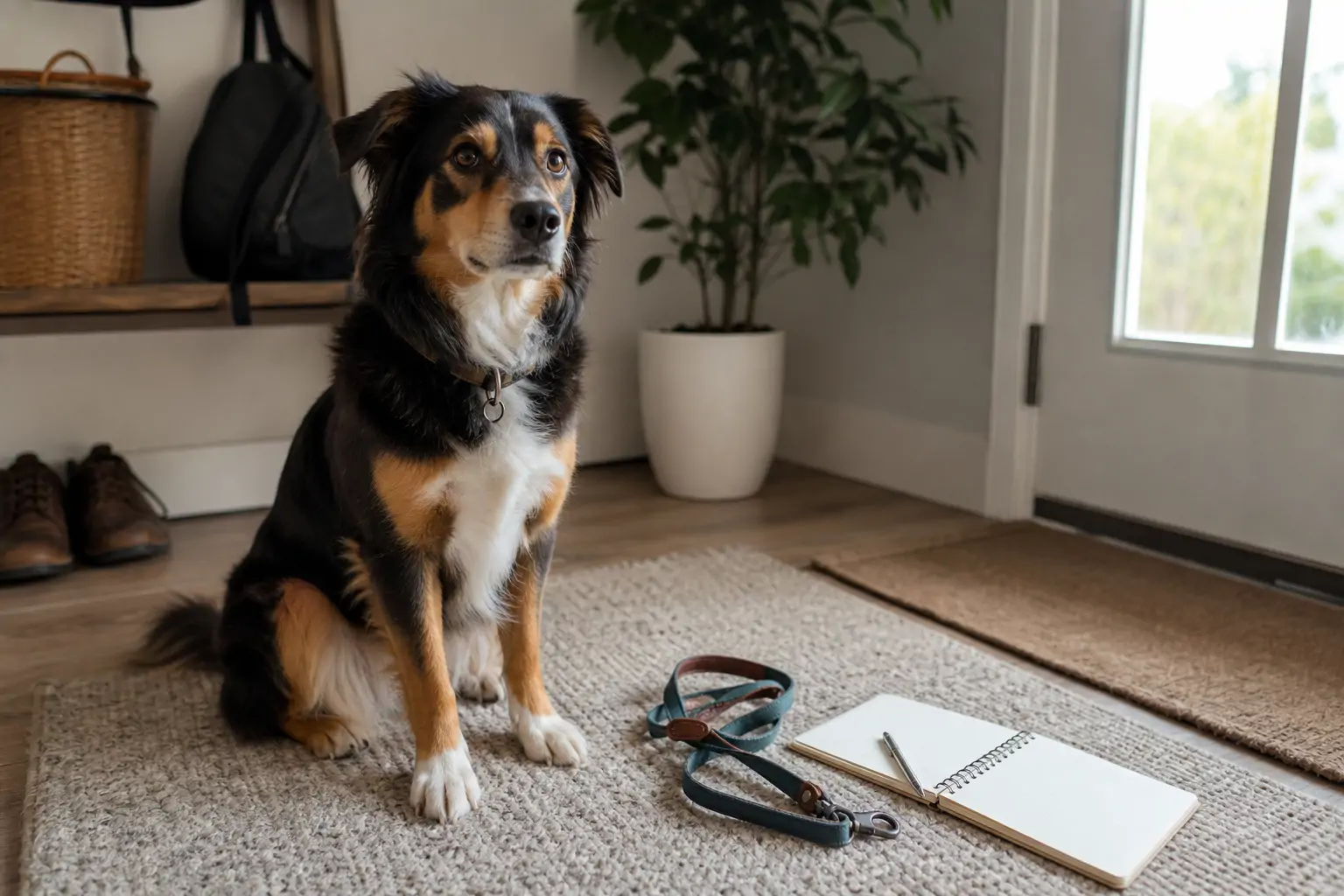
Owners dealing with specific fallout, like indoor accidents, may want to read that dedicated article alongside the treatment overview, since the underlying anxiety usually needs to be addressed for the symptom to resolve. Meanwhile, prevention content is most useful before problems start, though it also complements home alone training for dogs who are already partway through the learning process. For the toughest cases, the severe anxiety article often points readers back toward structured schedules and full behavior modification plans, since quick fixes rarely apply once anxiety has become extreme.
Conclusion
Canine separation anxiety training covers a wide range of situations, from a puppy learning to nap alone for the first time to a dog struggling with years of ingrained panic. Understanding which category your situation falls into is the real first step, well before choosing a specific method. Use this guide as a map, and let each sub-pillar do the deeper work of walking you through the exact solution your dog needs.