Signs of Separation Anxiety in Dogs: What to Watch For
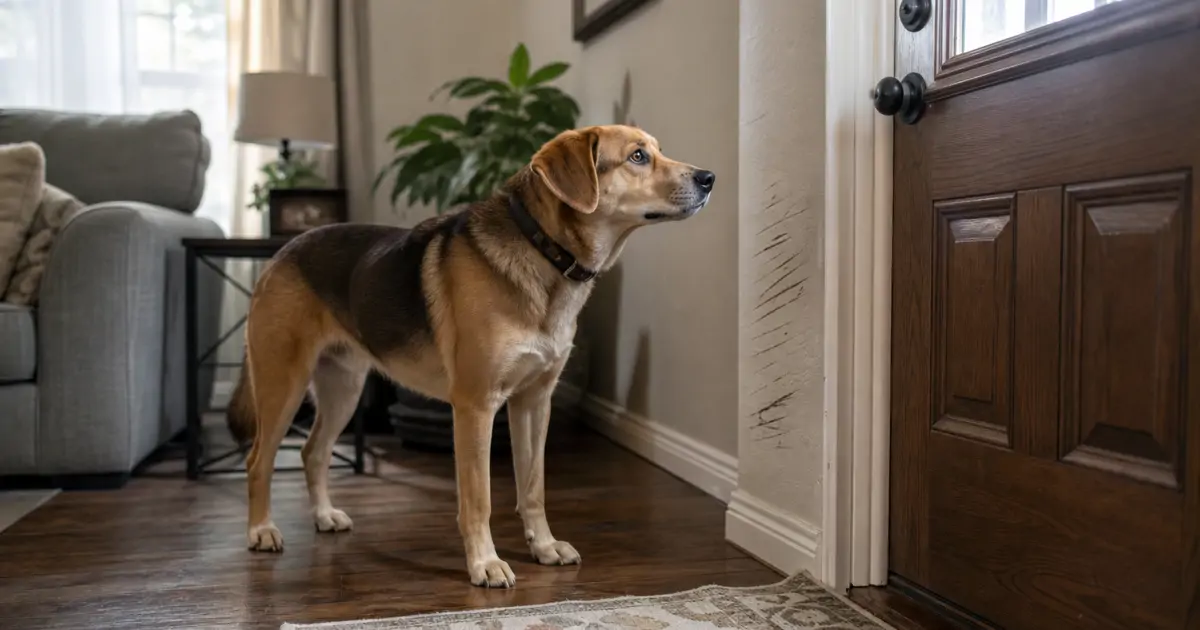
Few things confuse dog owners more than coming home to a shredded doormat, a hoarse-sounding neighbor complaint, or a puddle by the door from a dog who is normally house-trained. It's tempting to label this as disobedience, but in a large number of cases, what's actually happening is a stress response tied to being left alone. Recognizing the signs of separation anxiety in dogs early can mean the difference between a manageable behavioral pattern and one that spirals into something far more disruptive for both the dog and the household.
This condition doesn't discriminate by breed, age, or background. It shows up in dogs adopted from shelters just as often as it does in puppies raised from eight weeks old, and it can appear suddenly in adult dogs after a change in routine, a move, or the loss of a companion. Understanding how to tell if your dog has separation anxiety requires looking past the mess and listening for the pattern behind it.
This guide walks through the physical, behavioral, and emotional indicators that separate ordinary boredom from genuine anxiety, explores what tends to trigger the condition, and outlines when professional input becomes necessary rather than optional.
Recognizing the Signs of Separation Anxiety in Dogs
Not every chewed shoe or barking episode points to anxiety. Dogs get bored, dogs get restless, and young dogs especially test boundaries when unsupervised. The distinction that matters is timing and context. Dog separation anxiety symptoms almost always cluster tightly around departures and absences — they rarely happen when the owner is home, even if the dog is left alone in another room.
Behaviors That Happen Only When You're Gone
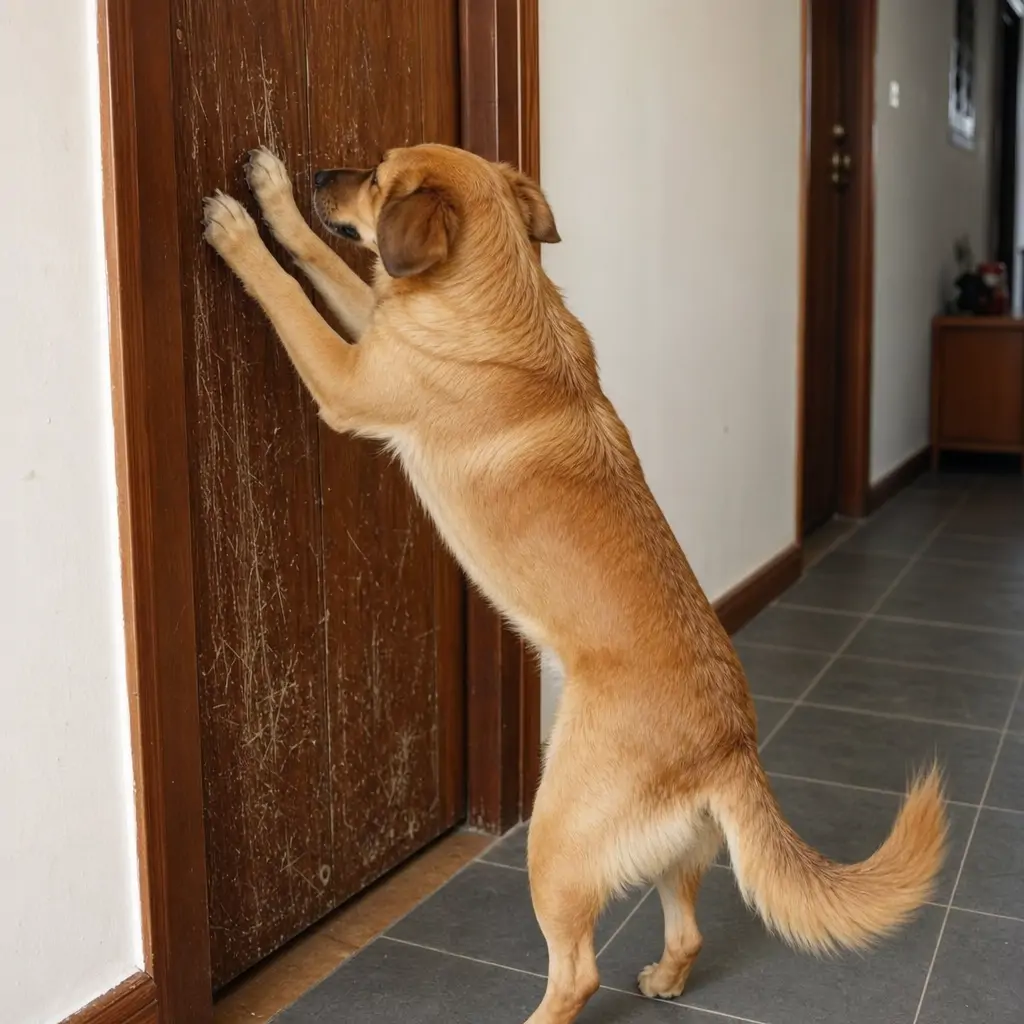
One of the clearest markers is a behavior that appears exclusively, or almost exclusively, when the dog is separated from its person. This might include prolonged barking or howling that neighbors report but the owner never witnesses directly, destructive chewing concentrated near exits like doors and windows, or attempts to escape a crate or room that result in scratched paws or broken nails. A dog that dismantles a couch cushion while its owner is in the shower is behaving differently than a dog that only does this when left completely alone for hours. The former often points to something else — excess energy, teething, or attention-seeking — while the latter fits a much more specific pattern tied to isolation itself.
Pacing in tight, repetitive circuits near the door, excessive drooling that soaks a crate pad, or self-inflicted injuries from attempting to claw through a barrier are considered more severe presentations. In practice, this often occurs when a dog has already tried milder coping behaviors without success and the anxiety has intensified over repeated absences.
Physical and Emotional Warning Signs
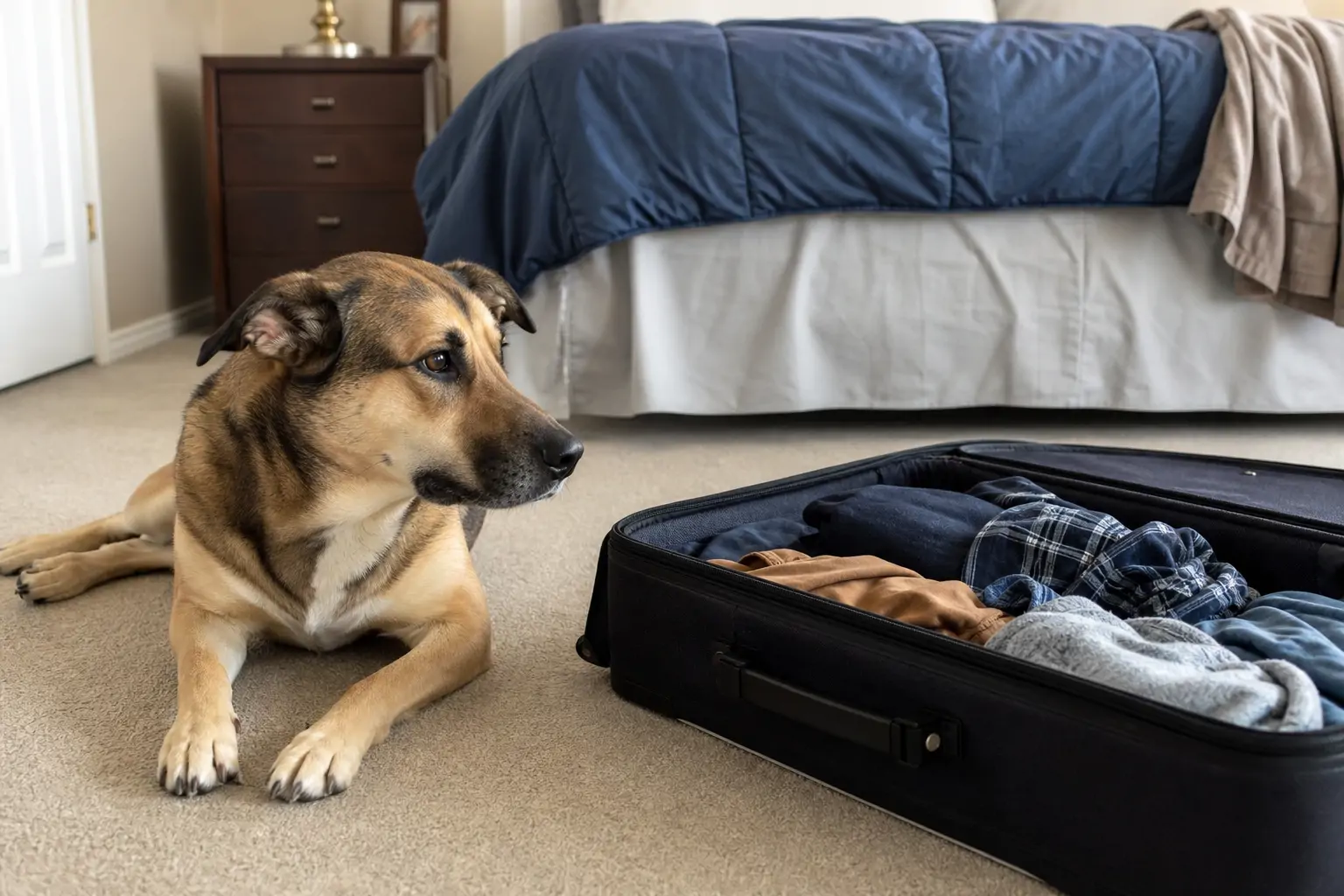
Not all indicators are destructive. Some are quieter and easy to miss, especially for owners who aren't home to observe them directly. A dog that refuses food or treats left out during an absence, even favorite ones, is often signaling distress rather than pickiness. Excessive panting in a room that isn't warm, trembling, or a lowered body posture when the owner picks up keys or puts on shoes are anticipatory signs worth paying attention to — the anxiety frequently begins before the person even leaves.
House soiling is another commonly reported symptom, and it deserves its own mention because it's so often misread as a training failure. Dog peeing in house when left alone, particularly in a dog that is otherwise reliably house-trained, is one of the more frequently overlooked separation anxiety indicators. Owners sometimes assume the dog simply couldn't hold it, but if accidents consistently happen only during alone time and not during long stretches when someone is present, anxiety is a more likely explanation than a bladder or training issue. That said, sudden or persistent house soiling can also indicate a medical issue, and this symptom may indicate a problem and should be evaluated by a qualified professional before being attributed solely to behavior.
A useful takeaway here: the presence of a symptom matters less than its timing and consistency. A single chewed slipper doesn't confirm anxiety, but a repeated pattern tied specifically to departures almost always does.
Possible Causes Behind Separation Anxiety
Separation anxiety rarely has one single cause. It tends to develop from a combination of temperament, life history, and environmental circumstances, which is part of why identical training approaches don't work identically across different dogs.
Dogs adopted from shelters or rescues often carry a heightened sensitivity to abandonment, particularly if they experienced multiple rehomings or a period of neglect. Dogs that were never gradually taught to tolerate alone time as puppies — often because well-meaning owners kept them close at all times during the first few months — sometimes never build the confidence to self-soothe later on. A sudden change in schedule, such as an owner returning to full-time office work after months of remote work, is another frequent trigger, since the dog's routine shifts abruptly without any gradual transition.
Other contributing factors include a recent move to a new home, the loss of a companion animal or family member, or a traumatic event like a break-in or a loud, frightening storm that occurred while the dog was alone. Age-related cognitive decline in senior dogs can also produce anxiety-like symptoms that resemble separation anxiety but stem from confusion rather than attachment distress.
Common Mistakes That Worsen Anxiety
A frequent misstep is punishing the dog for the aftermath of an anxious episode — the chewed doorframe, the accident on the rug — without addressing the underlying cause. Punishment applied after the fact doesn't connect to the anxious behavior in the dog's mind; instead, it often adds a layer of fear around the owner's return, which can intensify anxiety rather than reduce it. Another common mistake is making departures and arrivals emotionally intense, with prolonged goodbyes or excited greetings, which can inadvertently teach the dog that departures are significant events worth being anxious about.
Some owners also assume that getting a second dog will automatically solve the problem, since companionship seems like a logical fix. In many cases, this helps, but separation anxiety in dogs is typically tied to attachment toward a specific person rather than a fear of being alone in general, so a companion animal doesn't always resolve it and sometimes just delays the recognition of the real issue.
The practical insight worth remembering is that separation anxiety is rarely about defiance. Dogs experiencing it are not choosing to misbehave; they're responding to a stress state that feels involuntary to them, similar to how a panic response feels to a person.
When to Consult an Expert
Mild cases of separation anxiety can often be addressed at home with structured desensitization and consistent routines, but there are situations where professional guidance becomes important rather than optional. If a dog is injuring itself trying to escape a crate or room, if house soiling persists despite ruling out medical causes, or if the anxiety appears to be worsening over weeks rather than improving, these patterns may indicate a problem and should be evaluated by a qualified professional such as a veterinarian or a certified veterinary behaviorist.
Severe separation anxiety in dogs sometimes requires a combined approach involving behavior modification for separation anxiety in dogs alongside veterinary input, since anxiety at this level can occasionally benefit from short-term medical support while training progresses. A veterinarian can also rule out underlying medical conditions, such as thyroid imbalances or cognitive changes in older dogs, that sometimes mimic or intensify anxiety-driven behaviors. Waiting too long before seeking help is a common pattern; the longer a dog rehearses an anxious response, the more deeply that pattern tends to settle in, which is why many trainers recommend early evaluation rather than a wait-and-see approach.
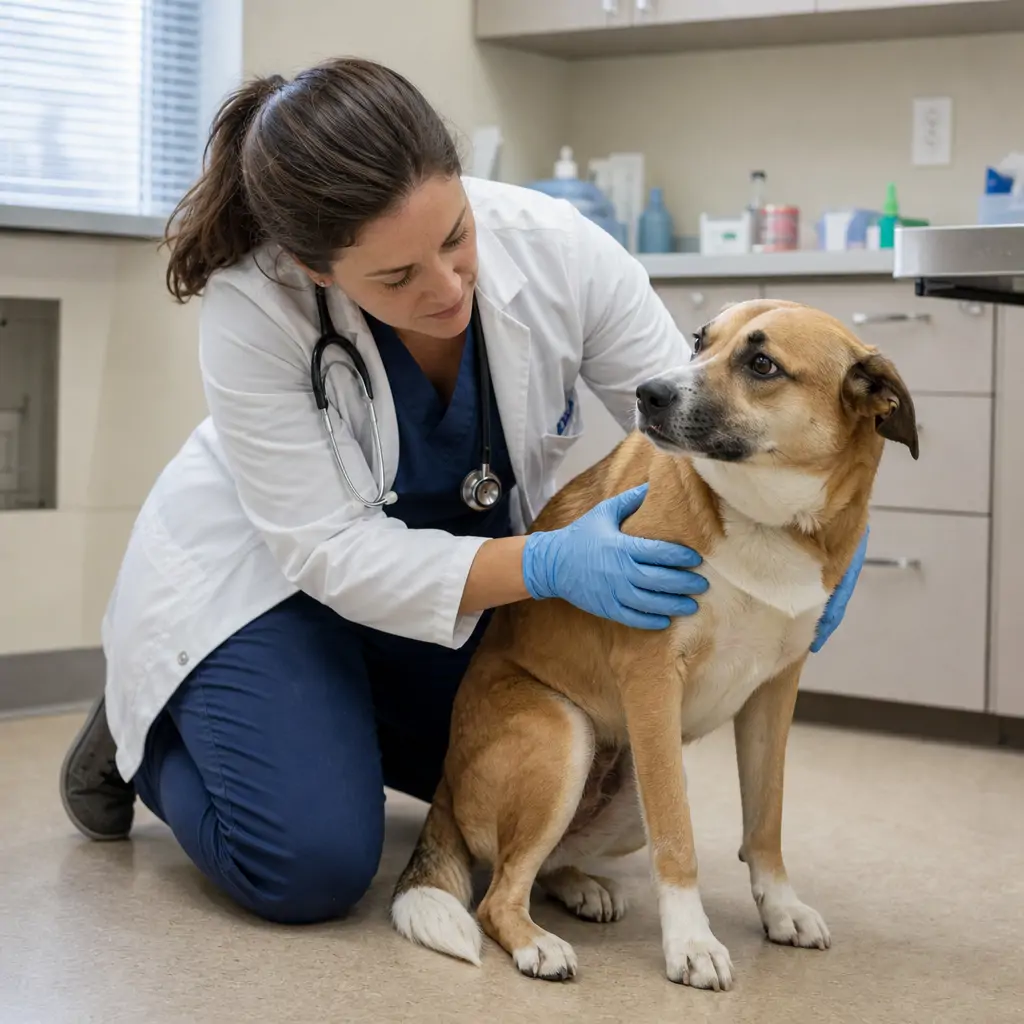
Working with a professional doesn't necessarily mean daily sessions or ongoing appointments. Often it means a single consultation to design a separation anxiety training schedule appropriate for that specific dog, which the owner can then implement independently, checking back in periodically to adjust the plan as the dog progresses.
Understanding dog separation anxiety symptoms is really about learning to read a pattern rather than reacting to isolated incidents. A single bad afternoon doesn't necessarily mean anything serious, but a repeating cycle tied specifically to alone time is worth taking seriously. For owners wondering what separation anxiety in dogs what to do looks like in practice, the first step is always the same: observe closely, rule out medical causes, and then begin addressing the behavior with patience rather than punishment. Left unaddressed, these patterns tend to deepen rather than resolve on their own, but with the right structure and support, most dogs can learn to feel secure even when their favorite person walks out the door.